

On October 26, 2026, hidecloud of Manus published a long post on reorganizing Manus with Manus (in Chinese). It opens with a scene. He sends an engineer a few requests and bug reports, comes back to check on them, and finds a row of Codex and Manus sessions open on the engineer's screen. Each session's input is the request he had just posted in Slack, word for word.
According to the post, a Manus engineer now routinely handles ten to twenty requests at once. Every product manager has committed code to Manus, and about half can take a feature from request to release on their own. In September, the company's AI spend passed $10,000 per person. He sums up the shift as moving from human-in-the-loop to human-on-the-loop. AI used to do 70–80% of the work and people filled in the rest. Now people set the rules, supervise several AIs, judge approach and results at key points, step in when needed, and own the outcome.
Here is what they changed, followed by rules a small team can adopt.
What Manus changed
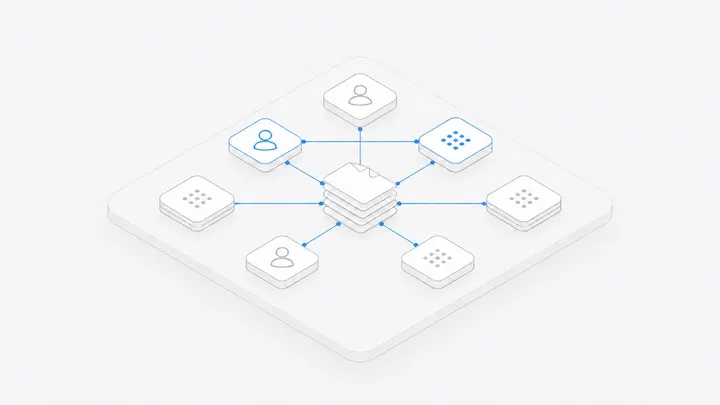
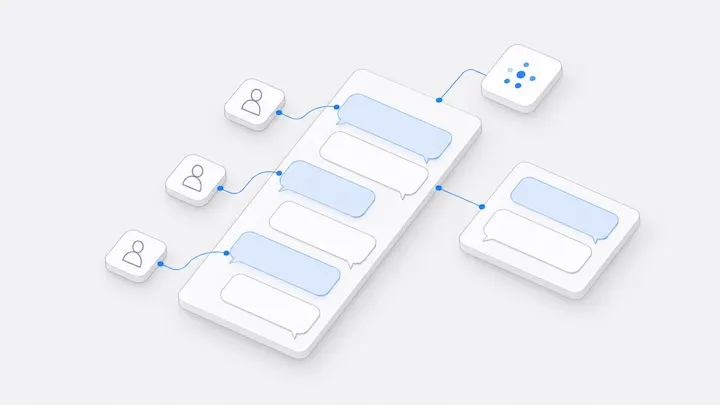
Two more changes are about collaboration directly. Members of the same project can see each other's sessions by default and can ask to join someone else's session, so an engineer and a product manager take turns in one session. And one colleague keeps a single master session whose only job is to list the decisions waiting on him, each with a recommendation. His daily question is: "What needs my decision right now?"
On the loop: what people still do
The post concludes that in an AI-native organization, people's role "hasn't shrunk; it has become more concentrated." They define problems, judge quality, decide what is worth doing, and answer for the results. For a team's daily work, that turns into a few rules:
- Hand the agent the raw request if you like, but a person writes the acceptance criteria: what counts as done and which checks must pass.
- Changes that touch model calls, cost, payments, or permissions get a sign-off from the person responsible before anyone starts. This rule comes from Manus's Mono guidelines.
- One conversation does one job, and its results land where others can check them: files, previews, and check logs.
- Keep discussion and execution apart. Agree on the approach in a discussion first, then hand it to the agent, so the agent isn't steered back and forth mid-debate.
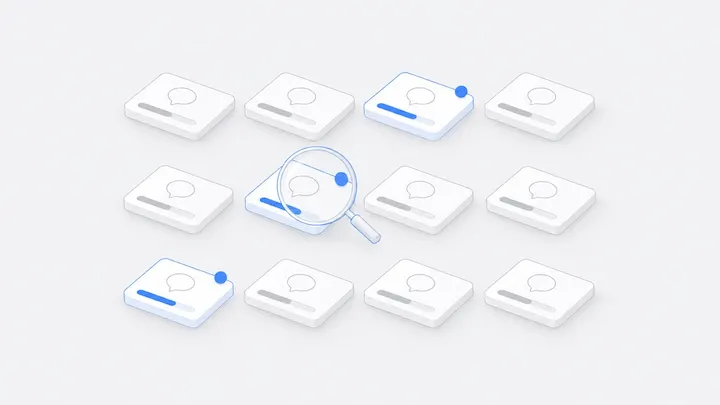
- Everyone starts the day with the decisions waiting on them before looking at anything else.
- Long tasks run on a computer nobody has to babysit, so work continues after people leave.
What your tools need to support
Manus built these habits on its own product and internal tools. hidecloud also notes that seeing each other's sessions and joining someone else's session is an internal-only feature for now, and its permission design is still being worked out. A small team wanting to work this way needs at least four things from its tools:
Where Manus has people request entry, Agent.Space uses Workspace roles. Editors can send tasks in any conversation directly. If someone should only read and comment, make them a Viewer.
A small team's first week
- Day 1: Create a Workspace, open one conversation for each thing you are working on, and group them by area.
- Day 2: Invite teammates as Editors or Viewers, depending on what they do.
- Day 3: Add a rules file for the agents to the project, such as
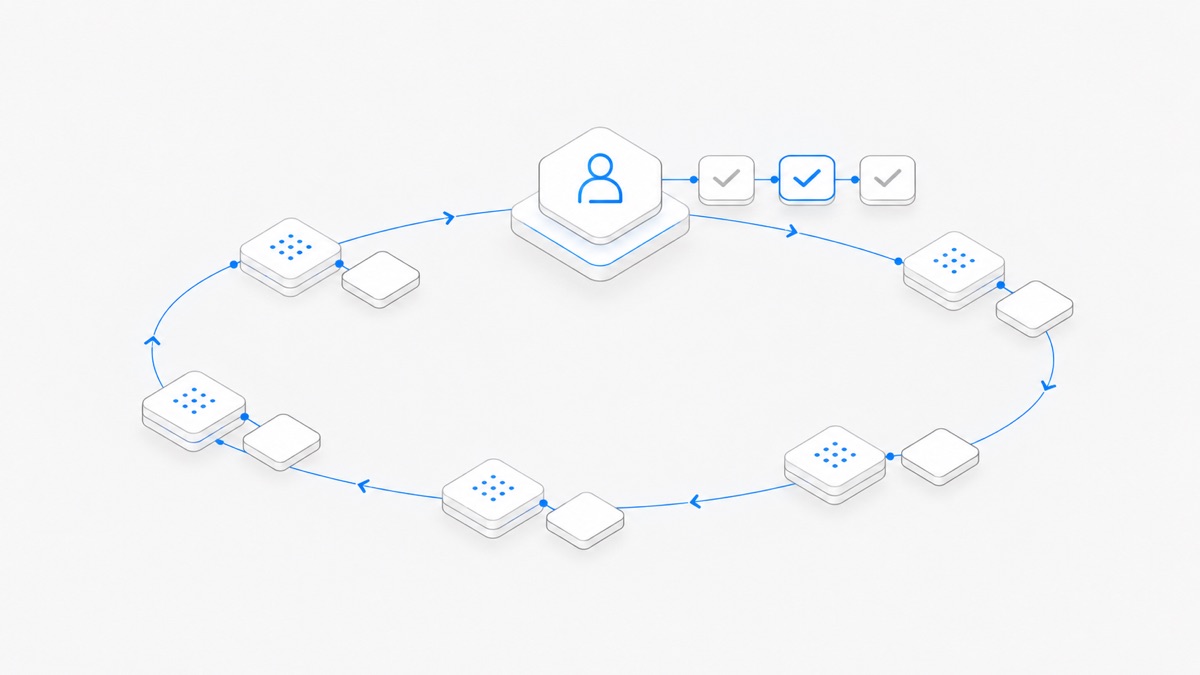
AGENTS.md, saying which changes need whose approval. - Day 4: Try a relay. One person has Claude Code build a first version, another continues in the same conversation to fix copy and styling, and a third conversation has Codex review without editing.
- Day 5: Start each morning with "Needs you". At the end of the week, count how many things moved forward without a meeting.
For a full walkthrough, see Work together with people and agents.
Who pays
hidecloud's case for $10,000 per person is that the money buys time and attention, and that putting the strongest models on code review is how they learn where current models top out. A small team should first be clear about where the bill goes:
- Models provided by Agent.Space are billed to the Workspace owner's plan or credits.
- Claude Code or Codex on a member's computer uses that computer's login and subscription, not Agent.Space credits.
- When the owner connects their own model API, the provider bills them directly.
More parallel conversations means more model usage. Start with a cap of two or three parallel conversations per person, watch how much piles up in "Needs you", and raise it from there.
FAQ
What does human-on-the-loop mean?
In hidecloud's terms, human-in-the-loop is AI doing 70–80% while people fill in the rest. Human-on-the-loop is AI doing far more of the work while people set rules, supervise several AIs, judge approach and results at key points, step in when needed, and own the outcome.
Do product managers need to write code?
At Manus every product manager has committed code, backed by written guidelines, a code-review bot, and engineers with release rights. Until you have those in place, let product managers adjust copy and interactions in the same conversation and leave the underlying logic to engineers.
Won't a shared agent conversation turn chaotic?
While a conversation is busy, new messages wait in a queue everyone can see and go out in order, and members can reorder them. What really causes trouble is two people giving opposite instructions, so settle it in the Discussion first, then hand it to the agent. See how teammates share one agent conversation.
How many tasks can one person keep moving?
The DeepSeek Harness team observes that without help from the system, one person can usually follow three to five active sessions. Getting to the ten or twenty Manus describes depends on whether everything waiting on you is in one place and whether results are easy to check. See how to run many Claude Code and Codex sessions at once.